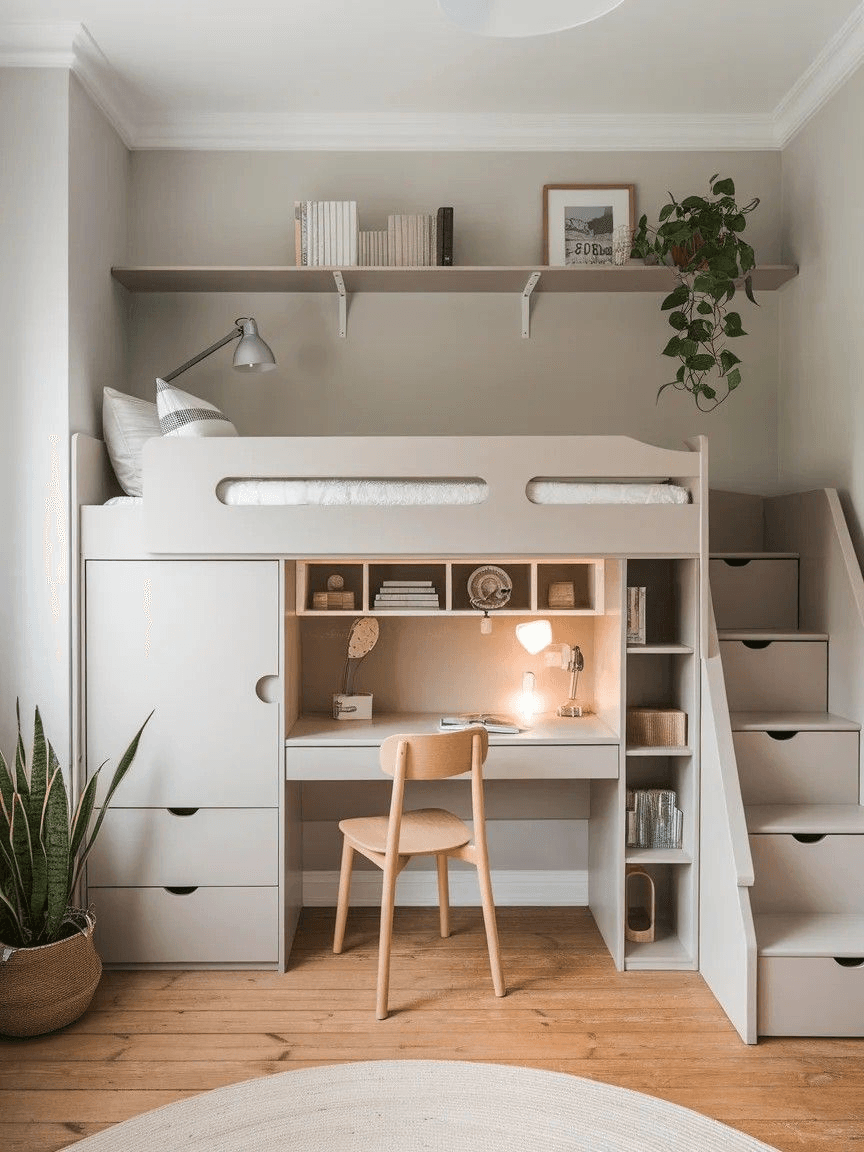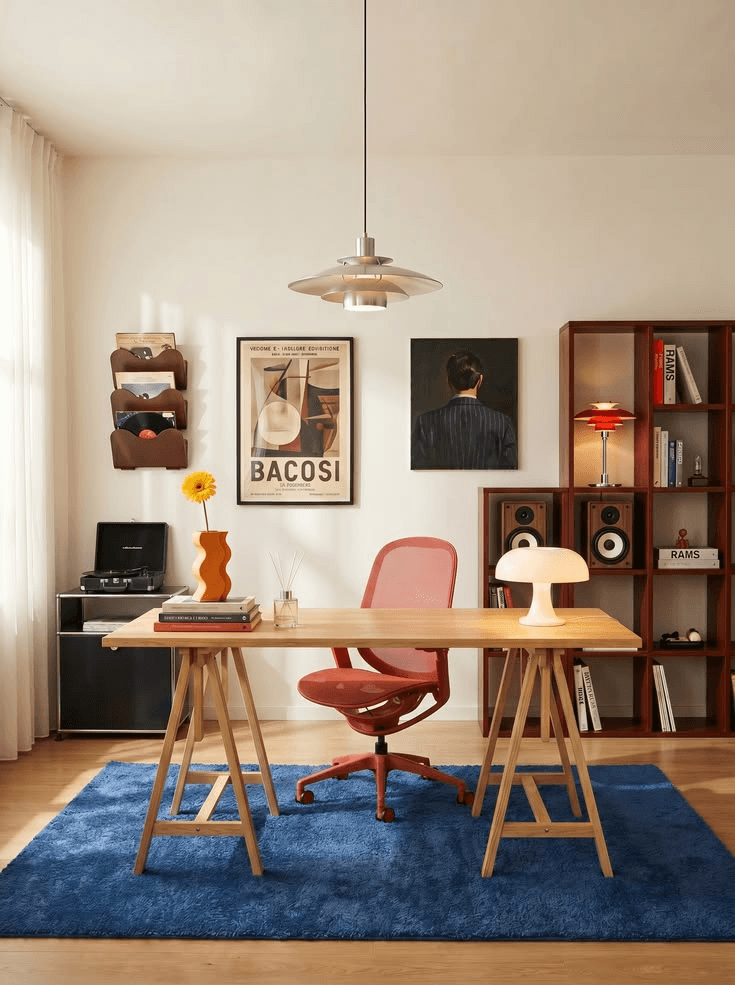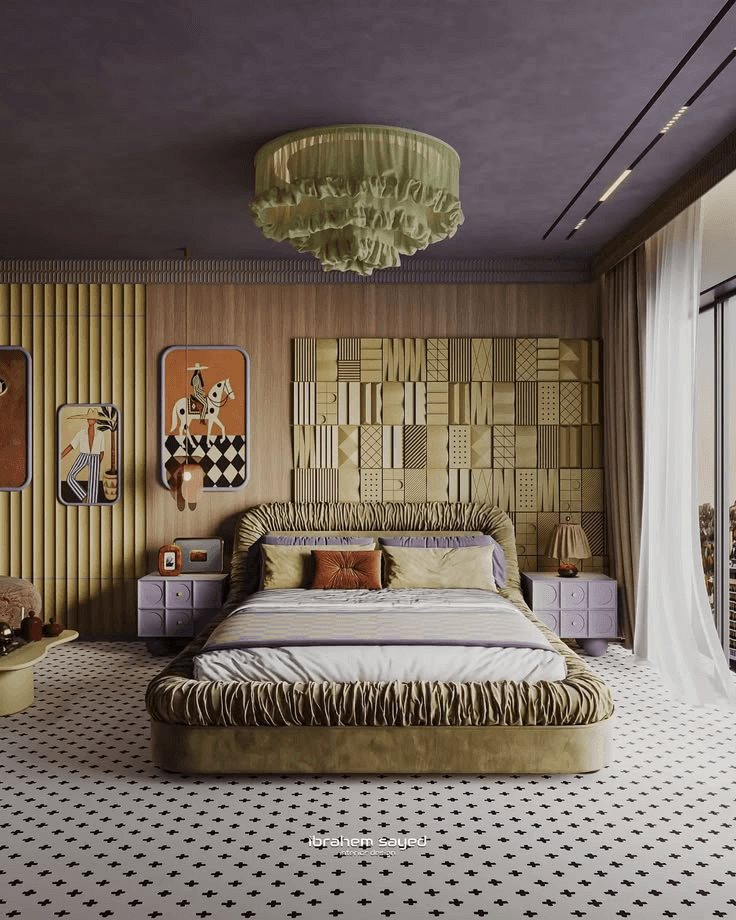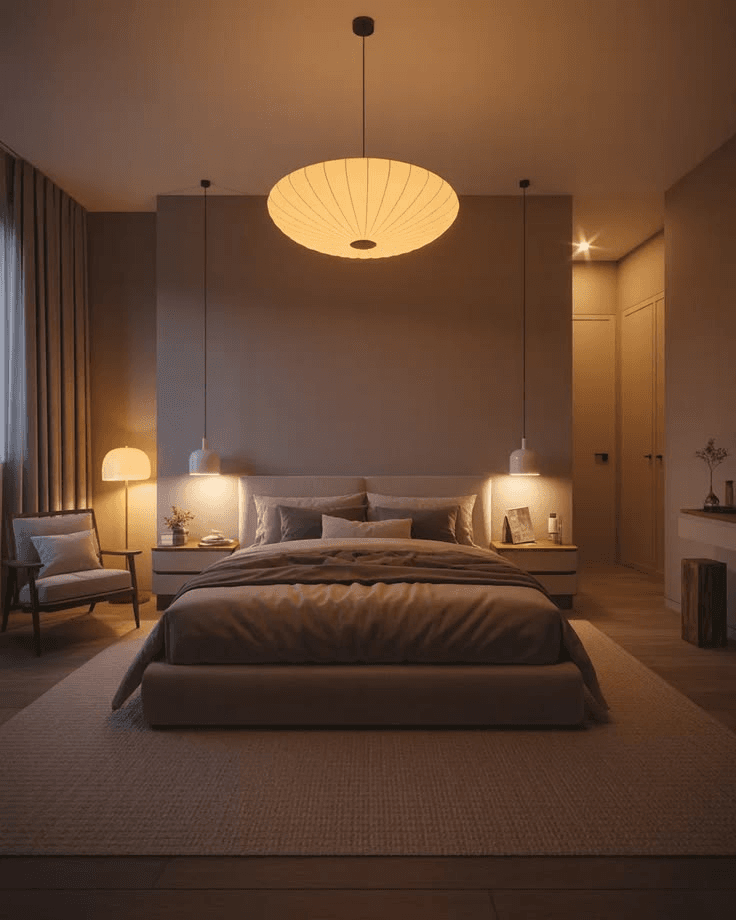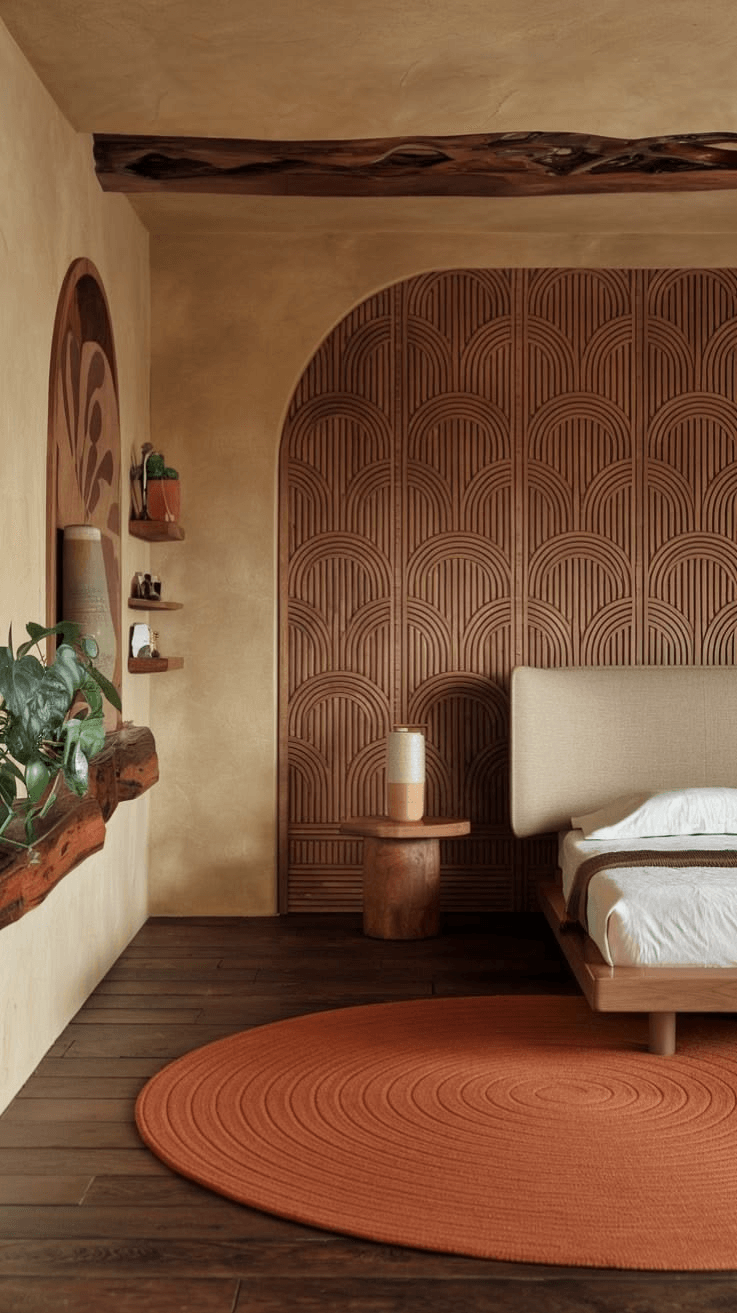
Interior design is more than selecting beautiful colours and arranging furniture. A truly well-designed space engages the senses, creating an atmosphere that feels comfortable, balanced and visually interesting. One of the most effective ways to achieve this is through texture.
Texture is an essential element of interior design that is sometimes overlooked. It adds depth, creates contrast and gives a room its unique character. Whether through natural wood, soft fabrics, stone finishes or decorative surfaces, the thoughtful combination of textures can transform even the simplest interior into an inviting environment.
1. Understanding Texture in Interior Design
Texture refers to the surface quality or appearance of materials used within a space. It can be experienced physically through touch or visually through the way a material appears.
There are two main types of texture:
Tactile texture: The actual physical feel of a surface, such as the roughness of natural stone, the softness of velvet or the smoothness of polished marble.
Visual texture: The appearance of a surface that creates the impression of texture, such as patterned wallpaper, textured paint or wood-effect finishes.
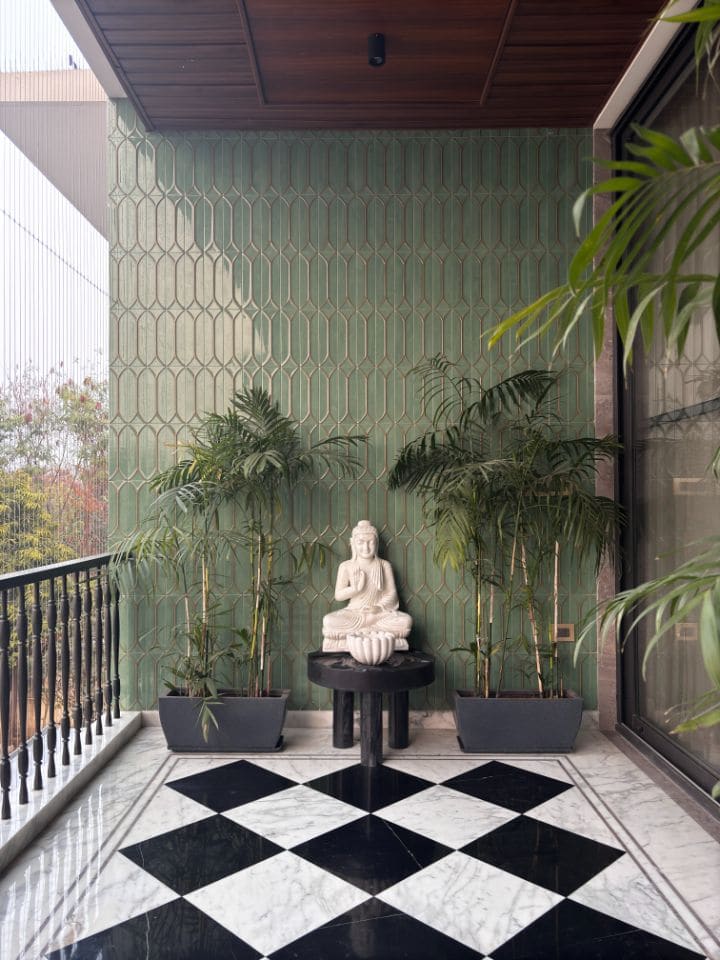
2. Incorporating Natural Materials
Natural materials are an excellent way to introduce texture and warmth into interior spaces. Materials such as timber, rattan, stone, linen and bamboo bring organic qualities that make interiors feel connected to nature.
Wooden furniture and wall panels can introduce warmth, while stone surfaces create a sense of permanence and sophistication. Rattan accessories and woven baskets add an artisanal quality, making them suitable for relaxed and contemporary interiors.
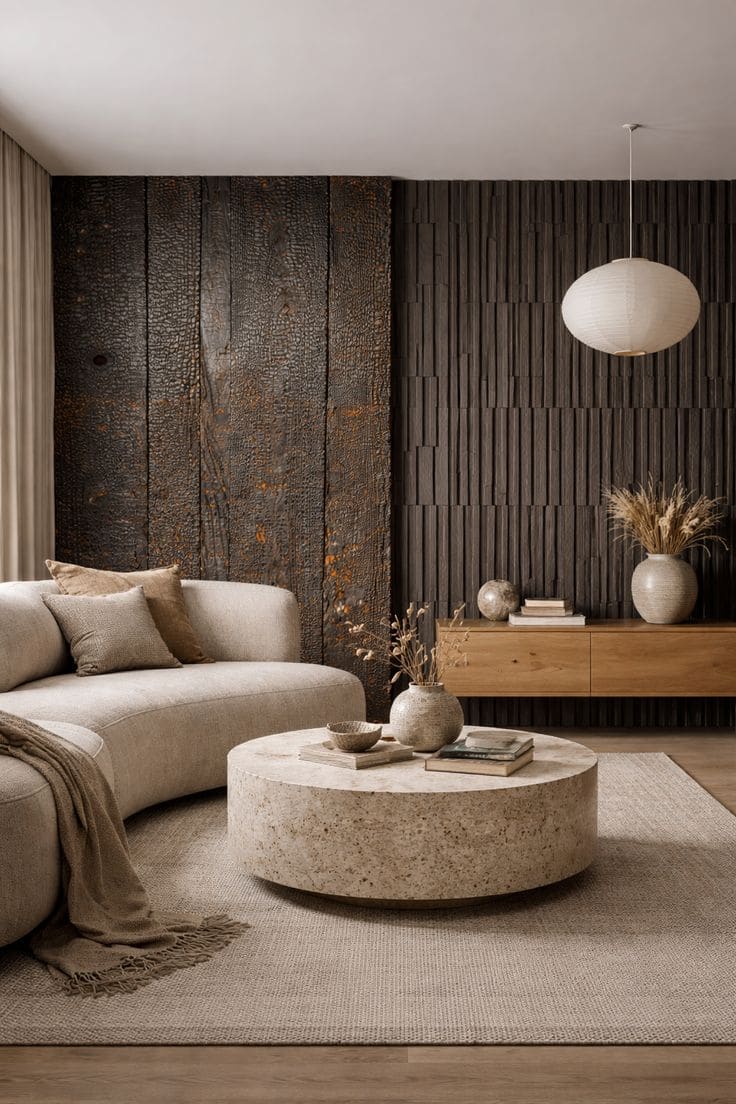
3. Playing with Soft and Hard Textures
One of the principles of successful texture layering is creating a balance between soft and hard surfaces.
Hard materials such as glass, metal, concrete and stone can sometimes make a room feel cold when used excessively. Introducing softer elements such as rugs, cushions, curtains and upholstered furniture helps soften the overall appearance.
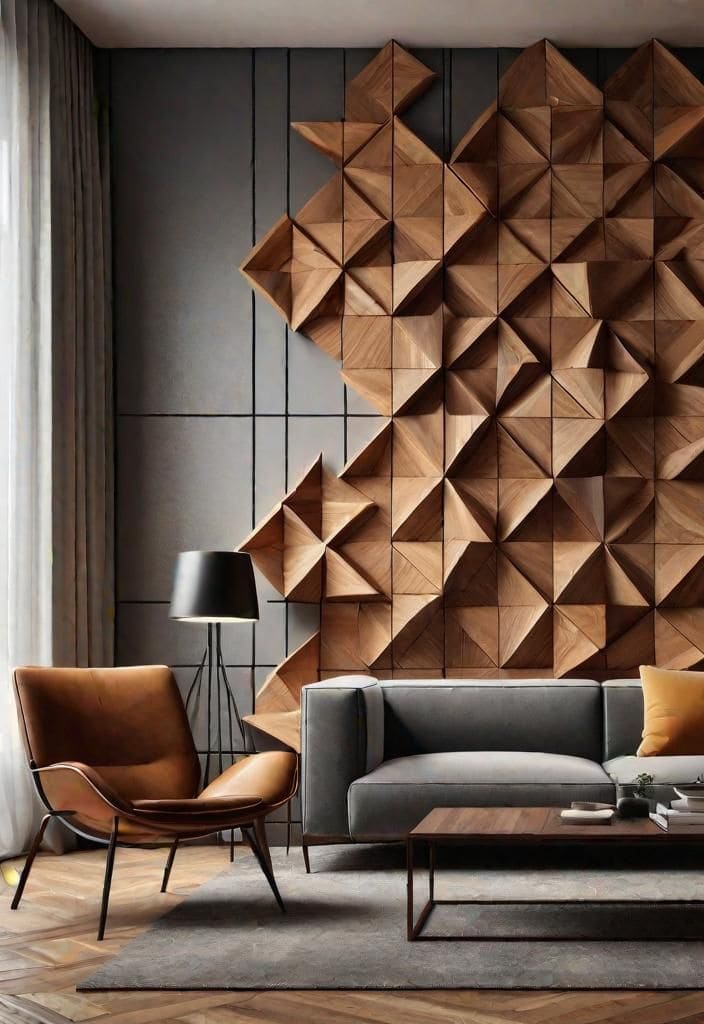
For example, a living room featuring a glass coffee table, a wooden floor and a stone feature wall can feel more welcoming when complemented by a plush rug and textured cushions.
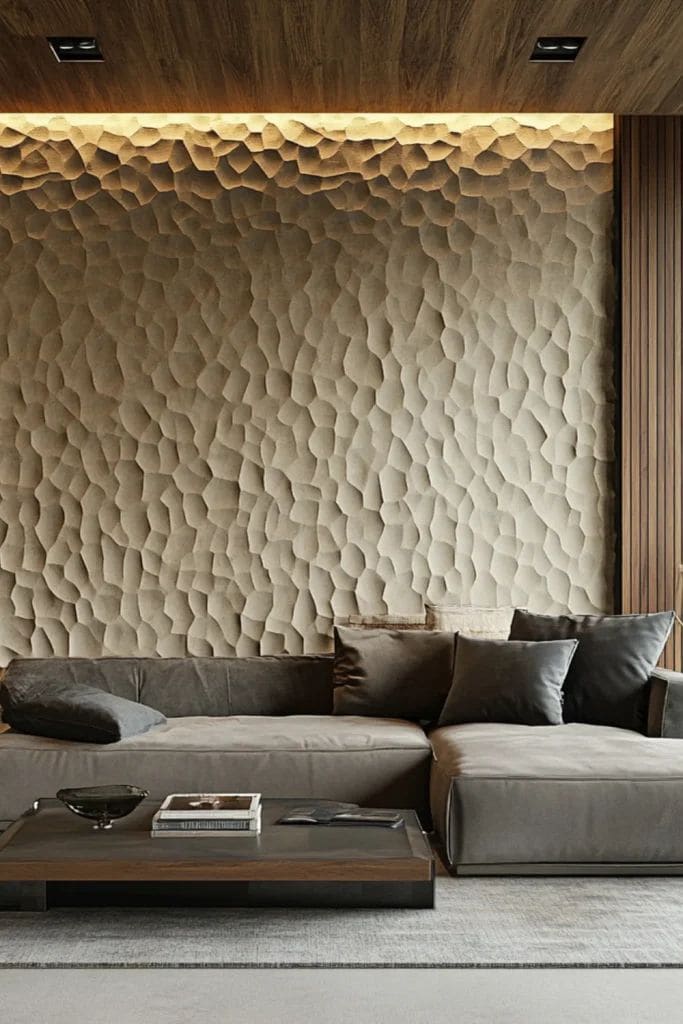
4. Using Texture to Create Visual Interest
This contrast creates visual interest while maintaining comfort.
Texture can help highlight specific areas within an interior. A textured accent wall, a statement ceiling or an upholstered headboard can become a focal point without requiring excessive decoration.
Consider using fluted wall panels, decorative plaster finishes, textured wallpapers or layered fabrics to introduce subtle details.
Different textures also interact with light in unique ways. Smooth surfaces reflect light, while rough and matte finishes tend to absorb or diffuse it. Understanding this relationship helps designers create spaces with greater depth and dimension.
5. Layering Textures Through Accessories
Accessories provide an easy and flexible way to experiment with texture without making permanent changes to a space.
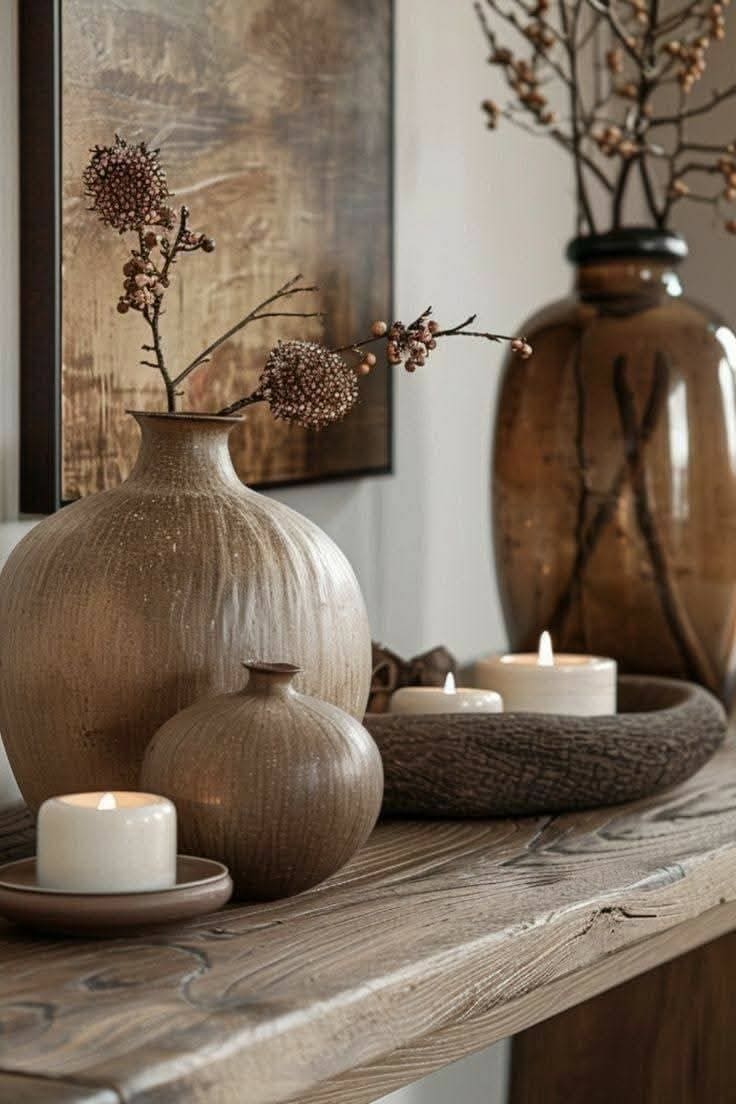
Consider introducing:
Woven rugs to add softness and visual depth.
Linen curtains for a relaxed, natural appearance.
Ceramic vases for subtle handcrafted details.
Velvet cushions for richness and sophistication.
Metallic accessories for contrast and refinement.
Woven wall décor for added character.
These elements can be introduced gradually, allowing the room to develop a layered and cohesive appearance.
Texture plays a significant role in shaping the character and atmosphere of an interior space. From the warmth of natural timber to the softness of layered fabrics, every material contributes to the overall design experience.
By experimenting with different finishes, balancing soft and hard surfaces and paying attention to detail, you can create interiors that feel welcoming, sophisticated and full of personality.