Before you buy anything, spend a day noticing how you really work. Questions you can ask yourself are as follows:
Are you on video calls most of the day, or heads-down in documents?
Do you need room to spread out papers, sketches or samples, or is a laptop enough?
Do you focus best in silence, or with some life humming nearby?
1.Choose a space that best works for an office
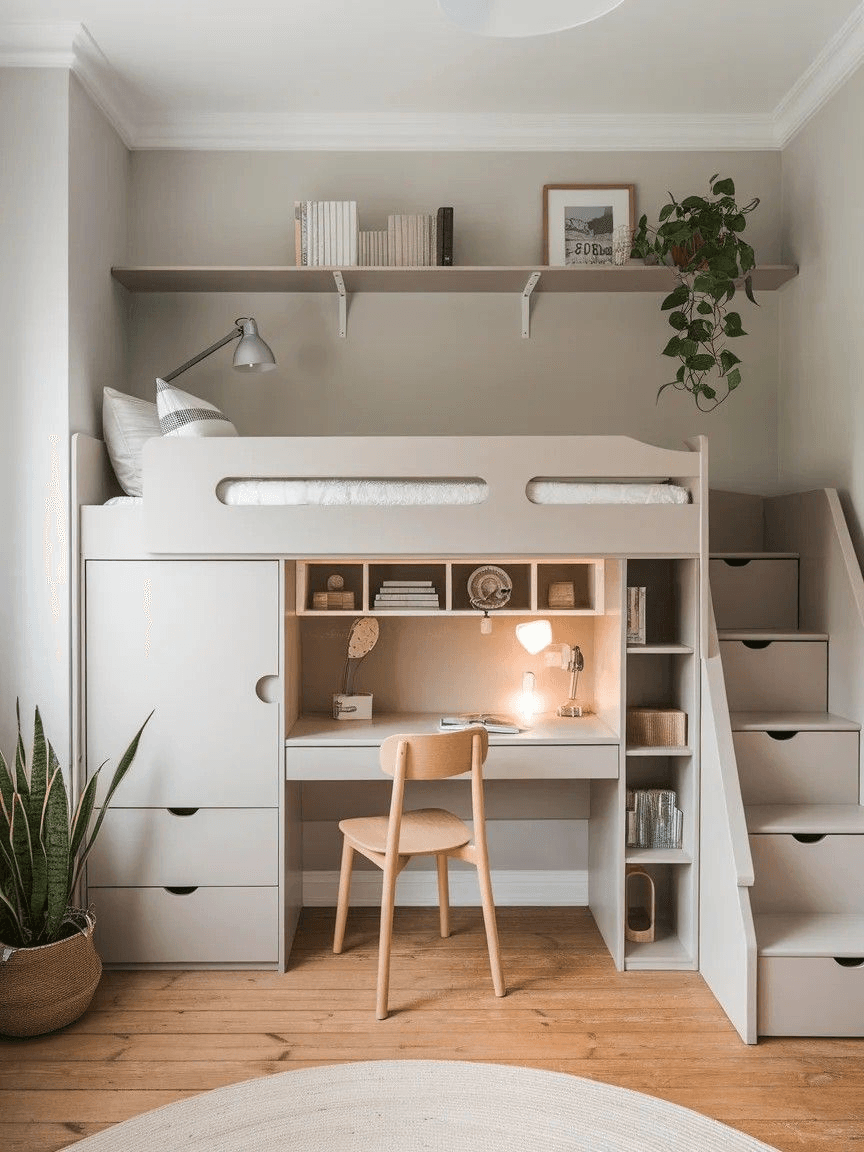
The first step in designing a home office is finding the right spot. Ideally, choose a quiet area with minimal distractions. A spare bedroom, an unused corner of the living room or even a small space beneath the staircase can become a functional workstation.
If possible, position your desk near a window to take advantage of natural daylight. Natural light creates a welcoming atmosphere and makes the workspace feel more open and connected to the outdoors.
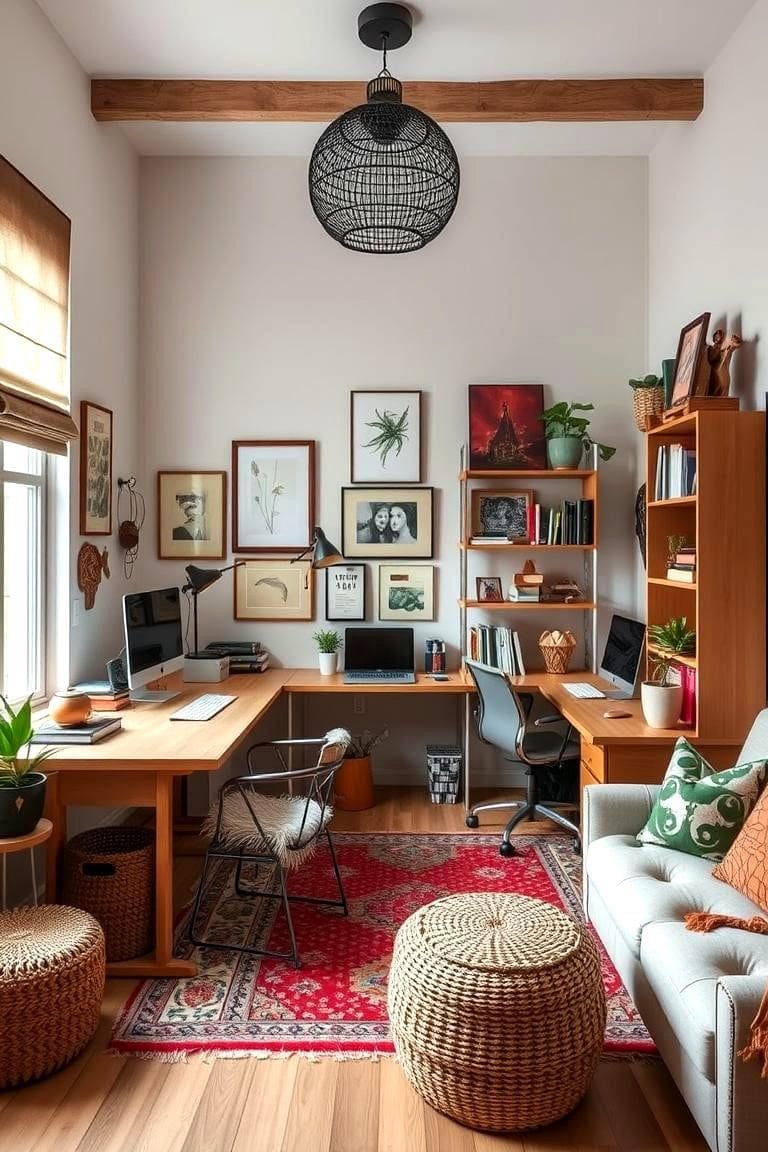
2. Invest in Comfortable and Functional Furniture
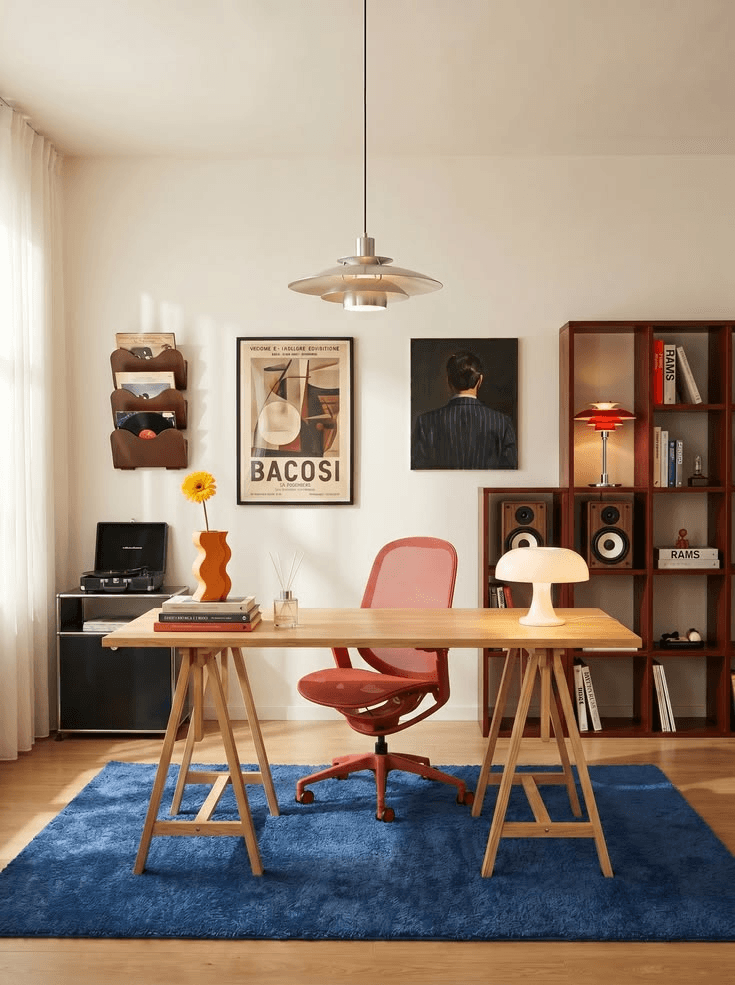
Your desk and chair are the foundation of your home office. Choose furniture that balances aesthetics with ergonomics.
An adjustable office chair with proper lumbar support helps maintain good posture, while a desk with sufficient surface area provides room for your laptop, stationery and other essentials.
For smaller homes and apartments, consider:
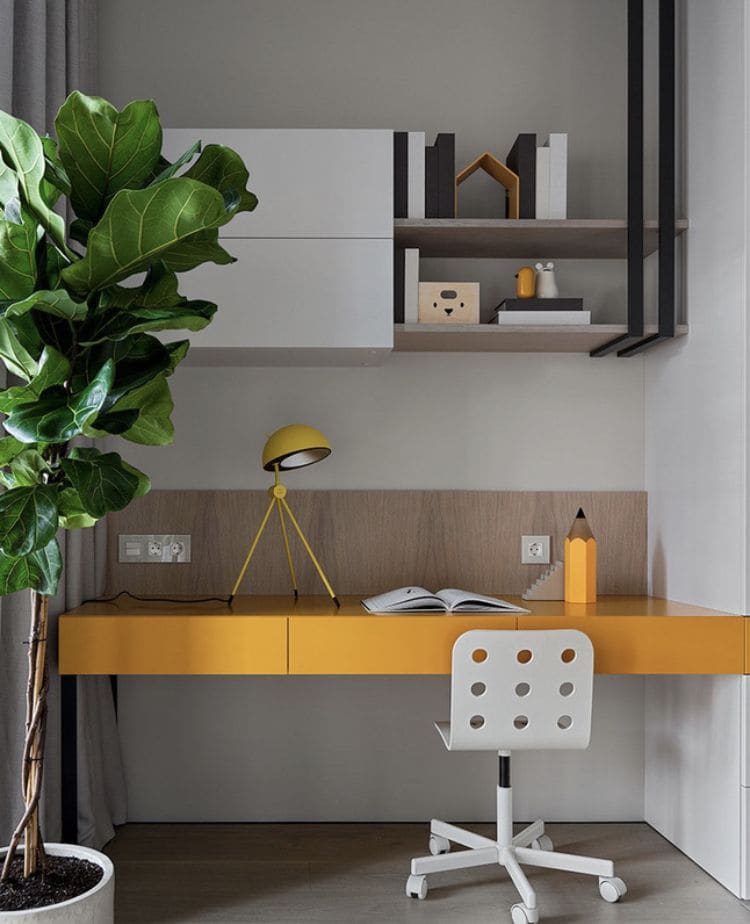
Wall-mounted desks to save floor space.
Floating shelves for additional storage.
Compact desks with built-in drawers.
Multifunctional furniture that serves more than one purpose.
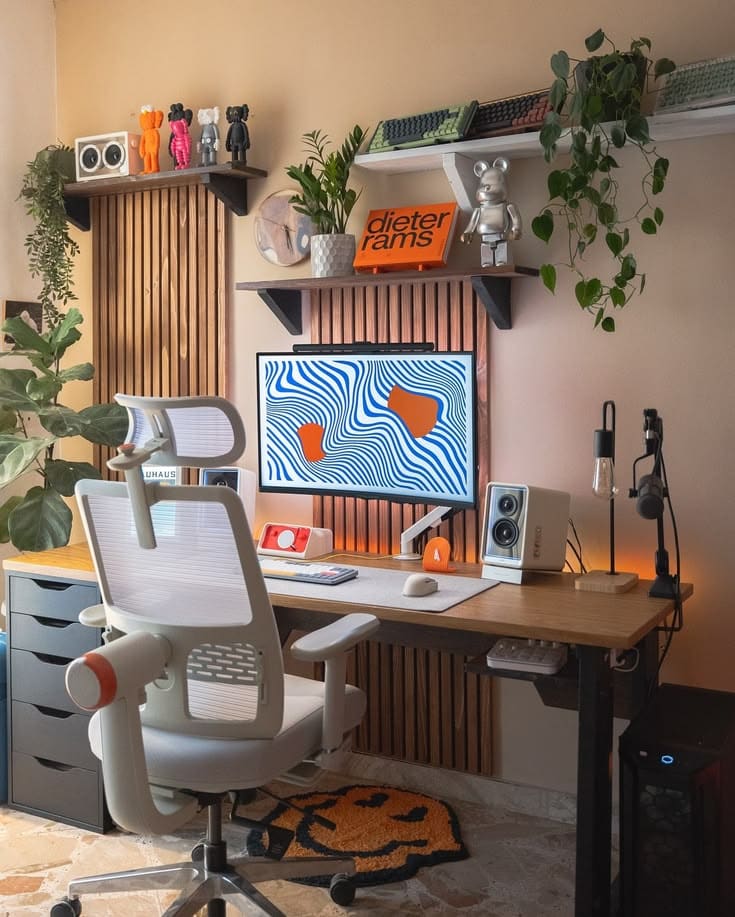
Remember, comfort should never be sacrificed for appearance.
3.Layer your lighting
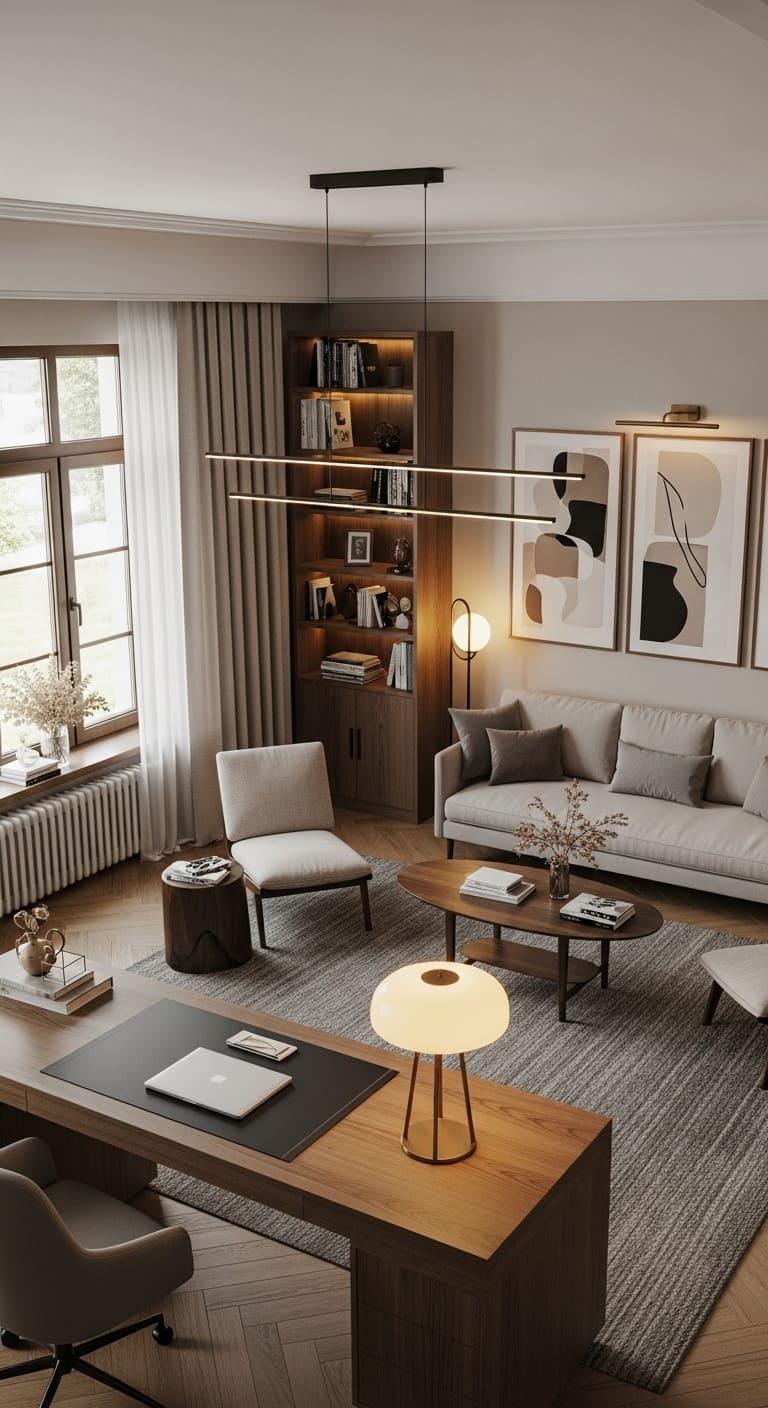
The most common mistake is a single bright ceiling light and nothing else. Designers build light in three layers:
Ambient: soft, even light for the whole room, from a diffused ceiling fixture or a floor lamp bounced off the wall.
Task: an adjustable desk lamp placed on the side opposite your writing hand, so your arm doesn't cast a shadow on the page.
Accent: a small lamp, picture light or LED strip that adds warmth and makes the room feel like a place, not just a workspace.
4. Introduce Colours That Inspire Productivity
Colour plays an important role in shaping the mood of an interior space. When designing a home office, consider shades that create an atmosphere suited to your working habits.
Soft greens: Bring a calming, nature-inspired feeling.
Blues: Create a relaxed and composed atmosphere.
Warm neutrals: Offer a timeless, sophisticated background.
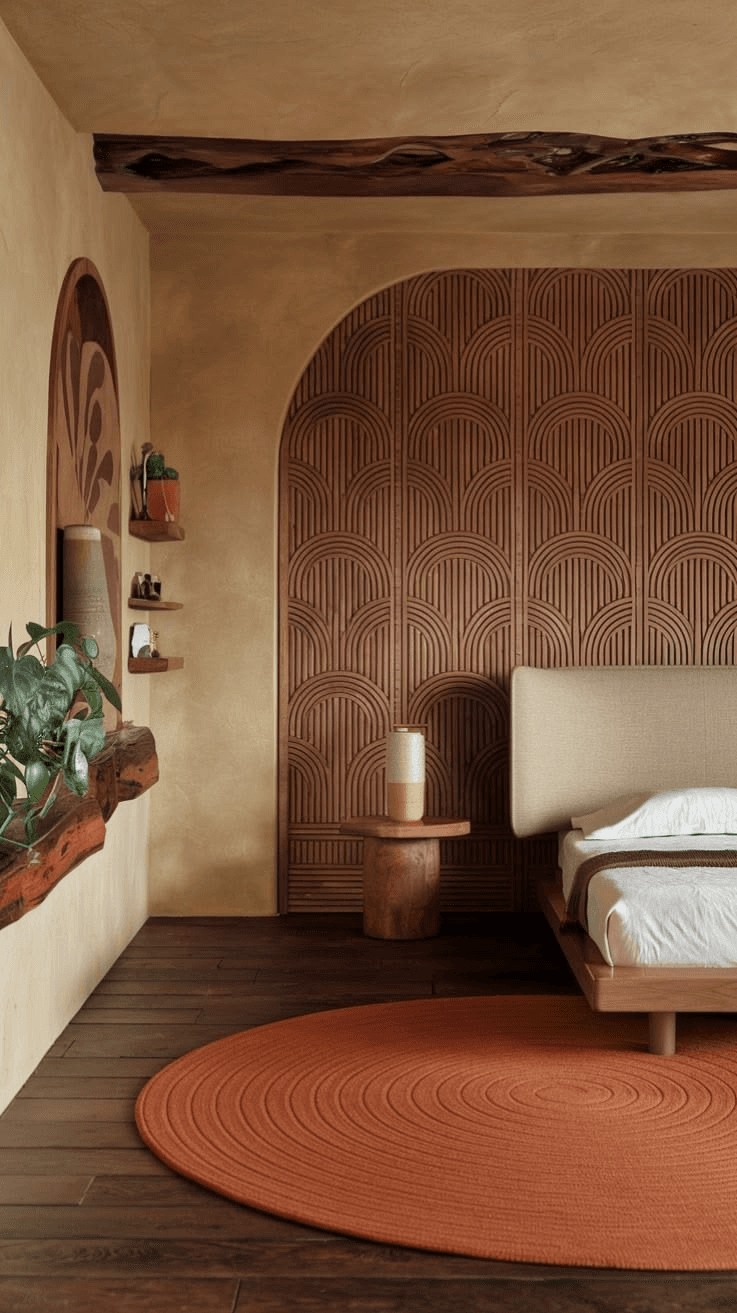
Earthy tones: Add warmth and a sense of comfort.
Muted yellows: Introduce a subtle sense of energy and creativity.
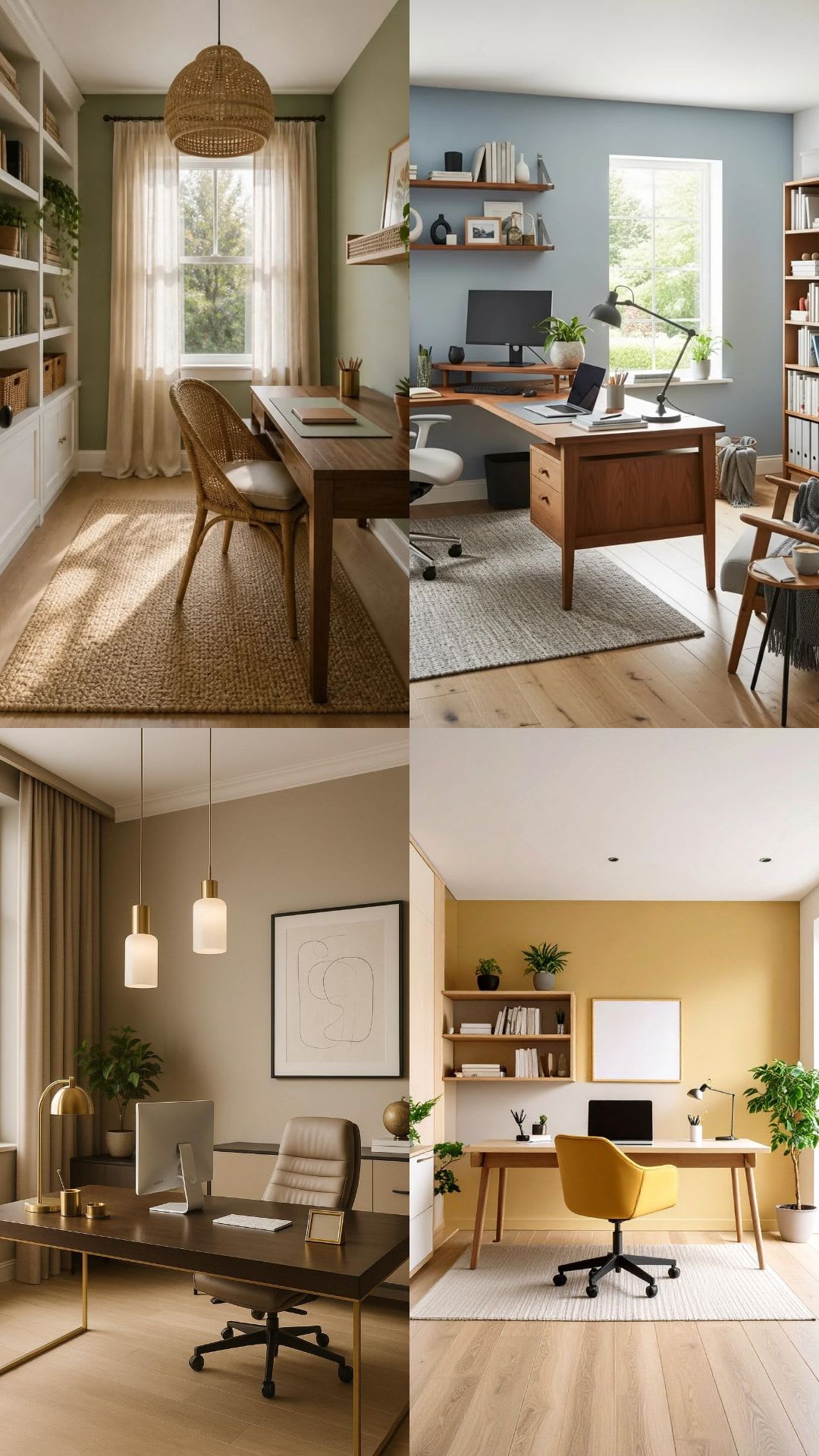
You can incorporate colour through accent walls, furniture, artwork, rugs and decorative accessories.
5. Keep Storage Stylish and Organised
A cluttered desk can make even the most beautiful home office feel overwhelming. Good storage solutions help maintain a clean environment while keeping everyday essentials within reach.
Consider incorporating floating shelves, concealed cabinets, drawer organisers and decorative storage baskets.
For a more polished appearance, use coordinated storage accessories and keep frequently used items accessible. A well-organised workspace makes it easier to concentrate and maintain a productive routine.
6. Bring Nature Indoors
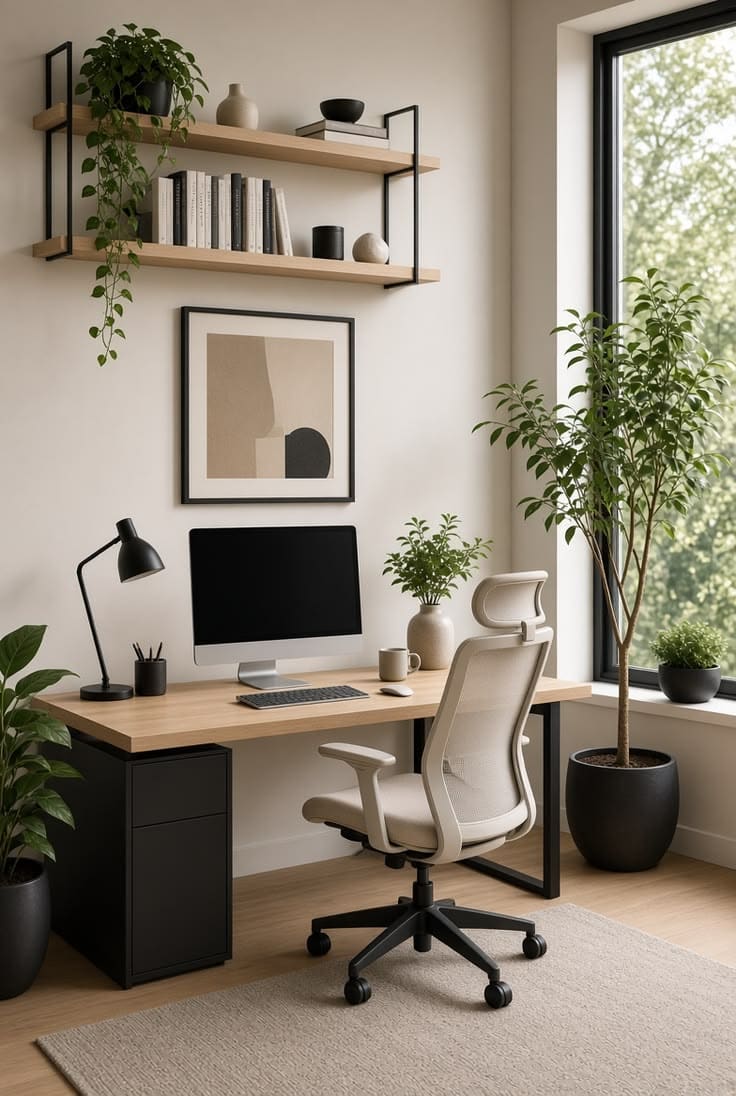
Introducing natural elements can make your home office feel more refreshing and inviting. Indoor plants, wooden furniture, natural stone finishes and woven accessories add texture and warmth.
If you prefer a minimalist aesthetic, a few carefully selected natural elements can make a significant difference without overcrowding the space.
Biophilic design is particularly useful in home offices because it creates a stronger visual connection to nature.
7. Personalise Your Workspace
Your home office should reflect your personality and creative interests. Incorporate artwork, framed photographs, inspirational prints, books or decorative objects that make the space feel uniquely yours.
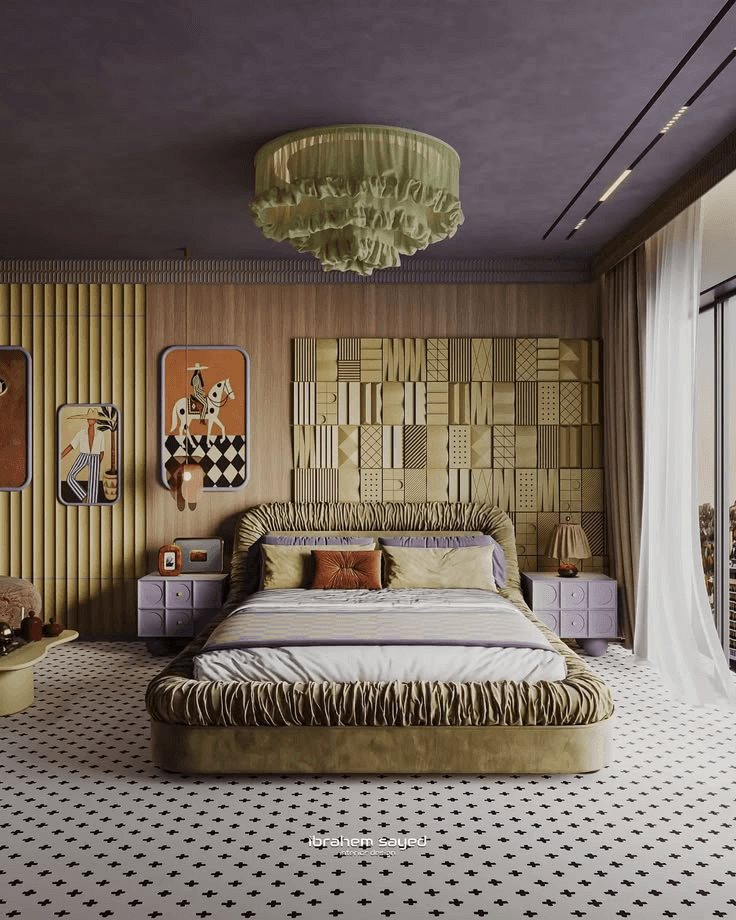
A feature wall, statement chair or carefully styled bookshelf can introduce character without compromising functionality.
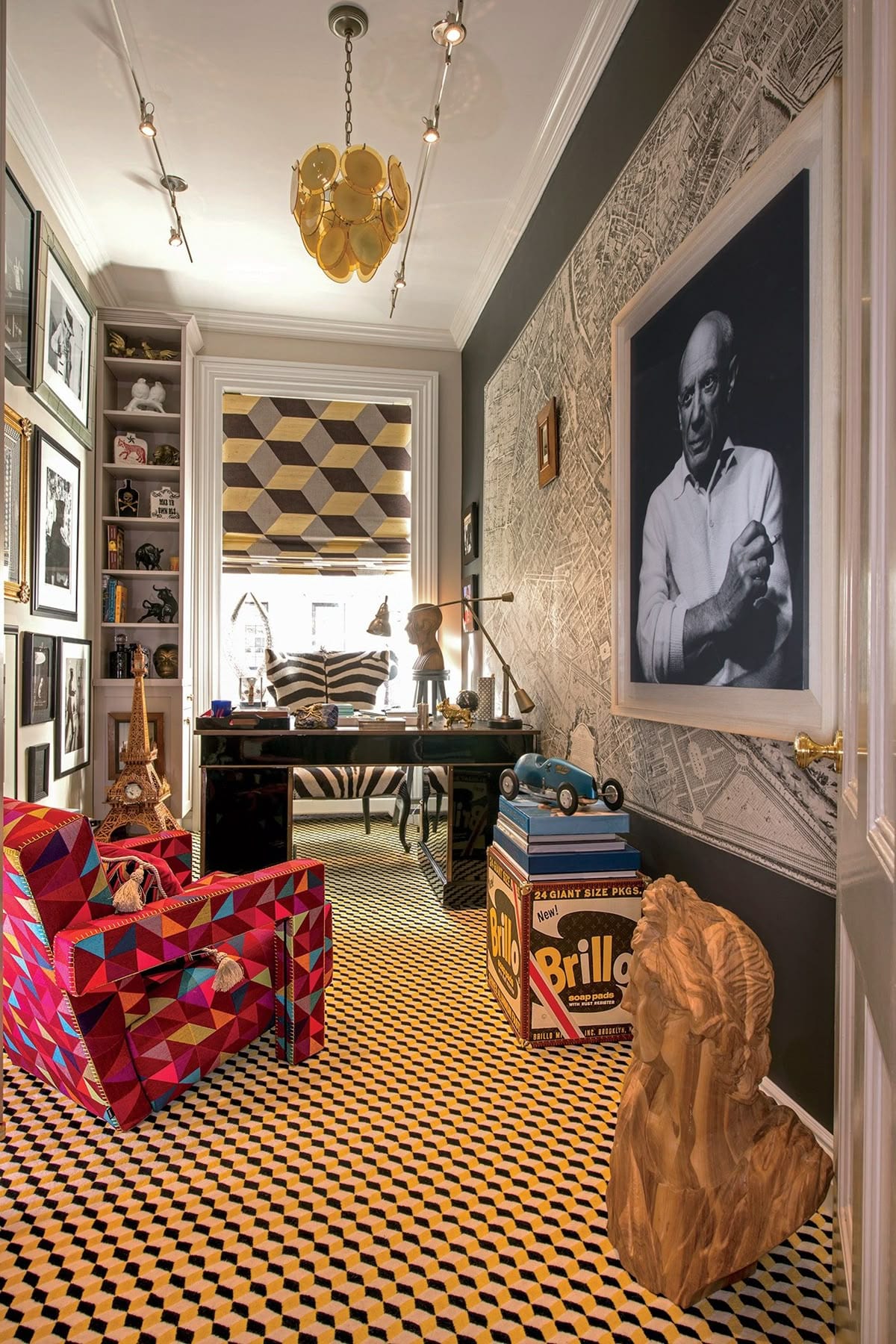
The goal is to create an environment that feels personal, inspiring and professional at the same time.
Designing a home office you'll actually want to work in is all about finding the right balance between functionality, comfort and personal style. From choosing ergonomic furniture to incorporating natural lighting, thoughtful colour schemes and clever storage, every design decision contributes to the overall experience.
Your workspace should inspire you to be productive while giving you a sense of comfort and belonging. After all, when your environment works for you, working becomes a much more enjoyable experience.