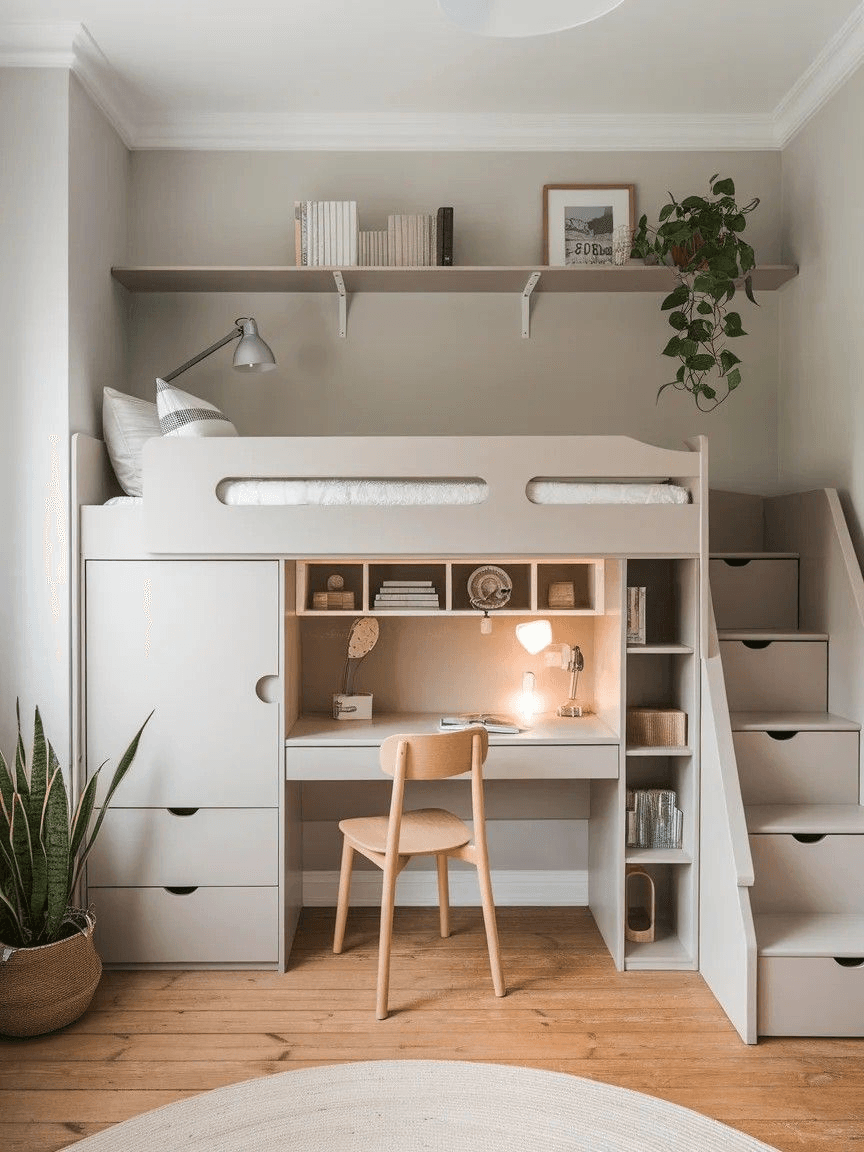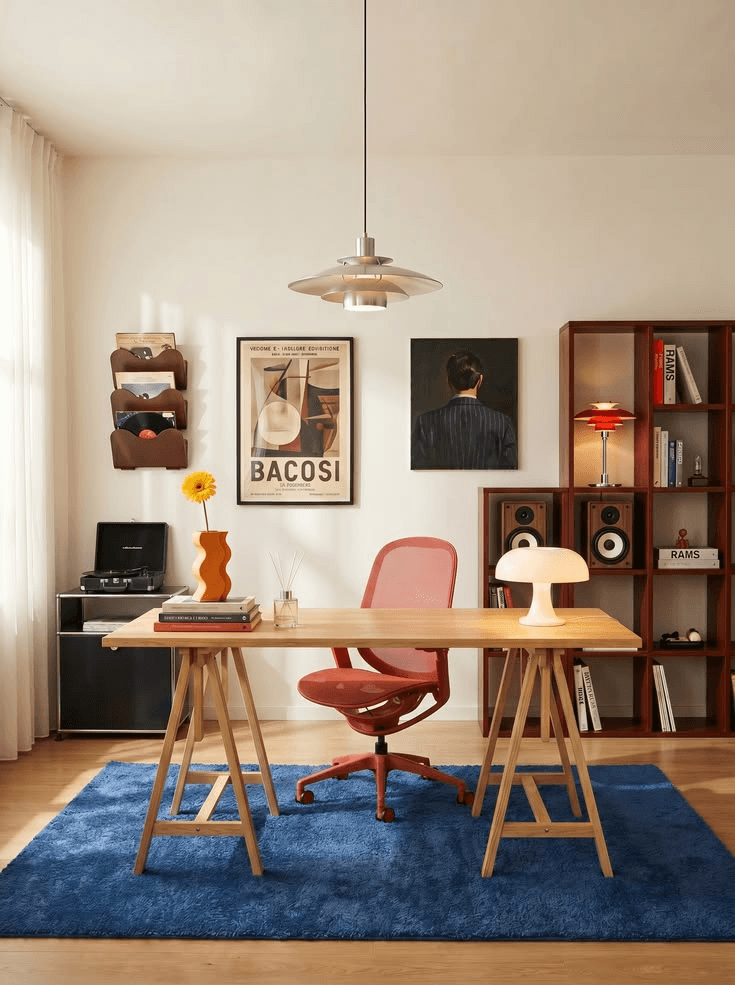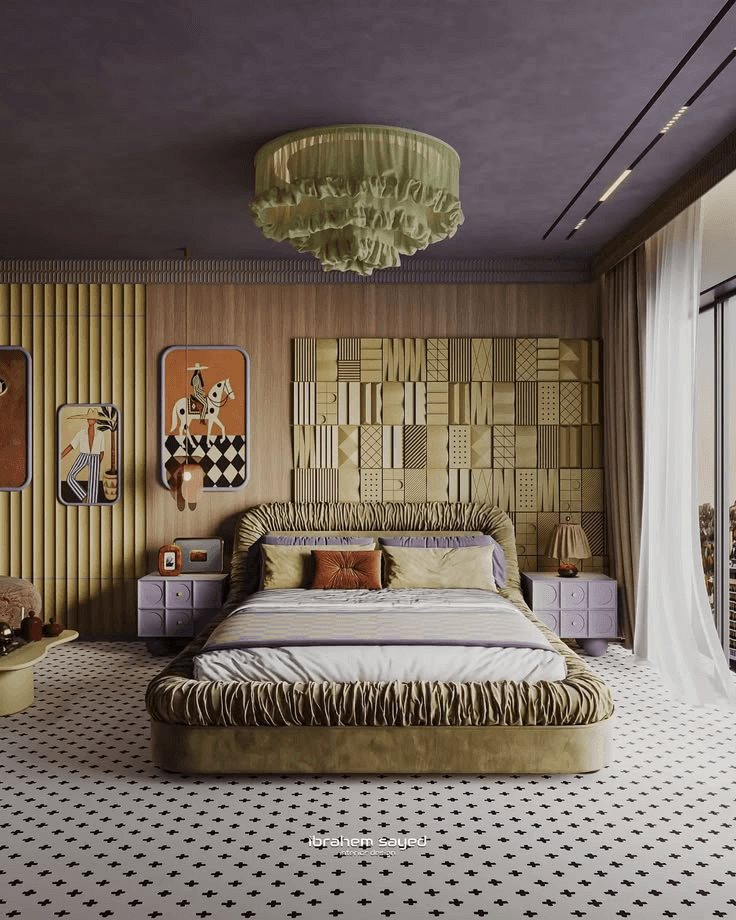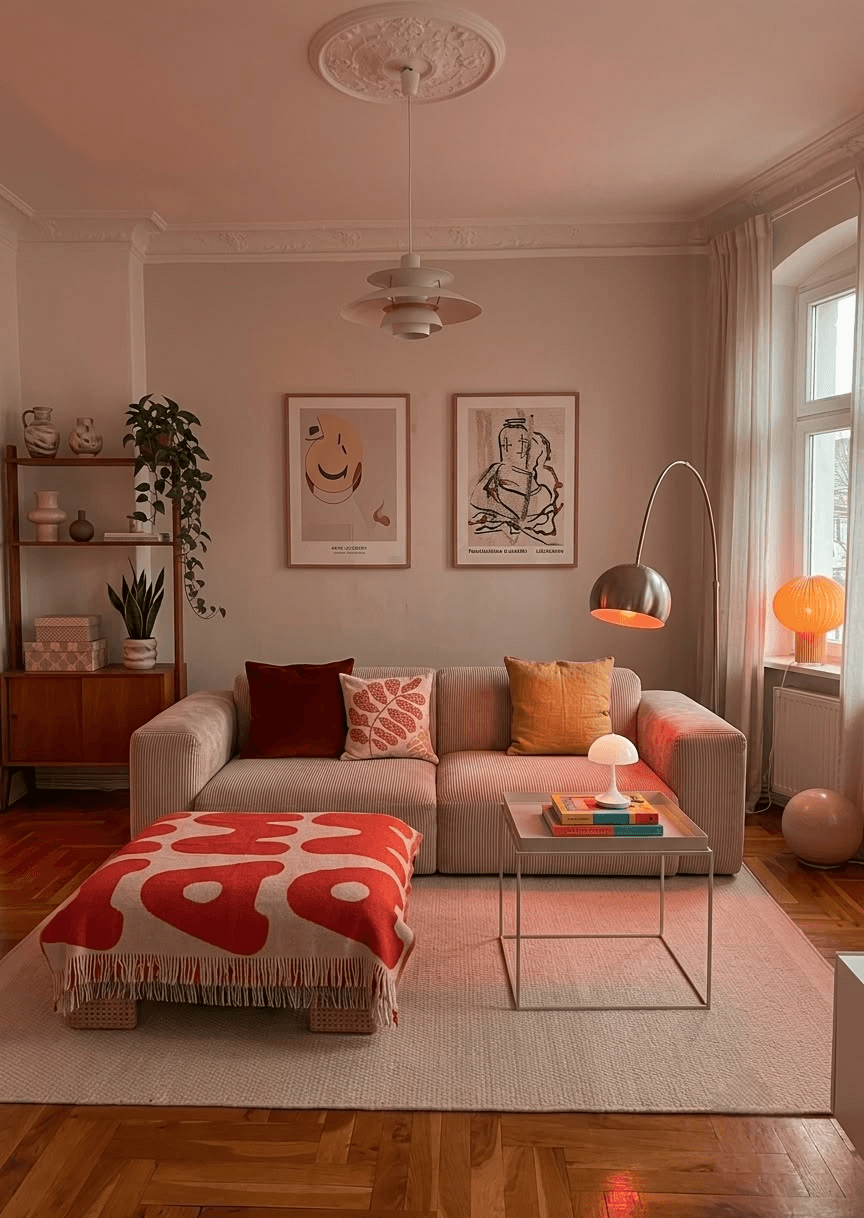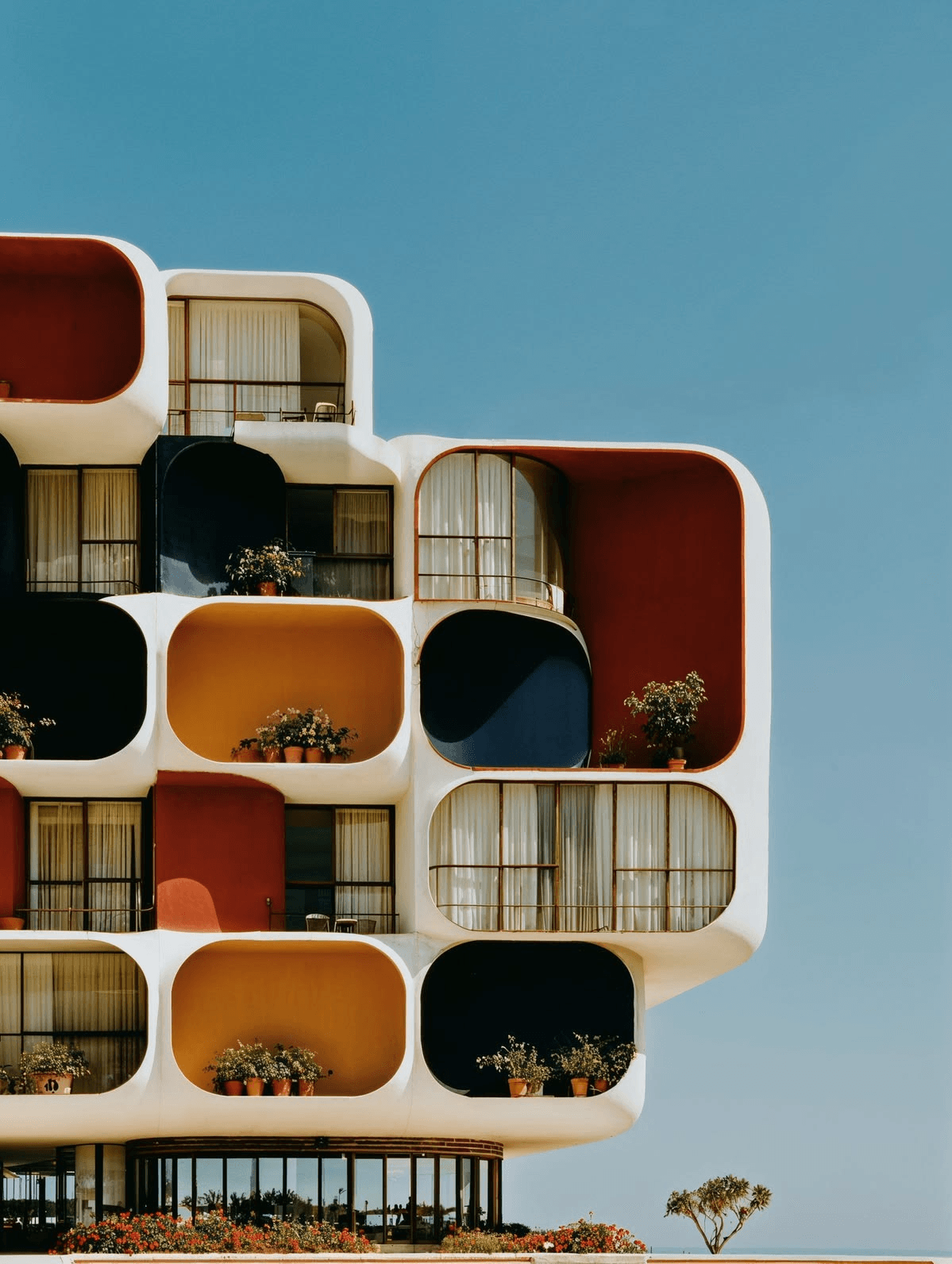
Architecture and interior design are often viewed as separate disciplines, yet they are deeply interconnected.The relationship between the two is essential, as architectural elements significantly influence how interior spaces are planned, designed, and experienced.
Lets dive deeper in understanding the connection between the two disciplines.
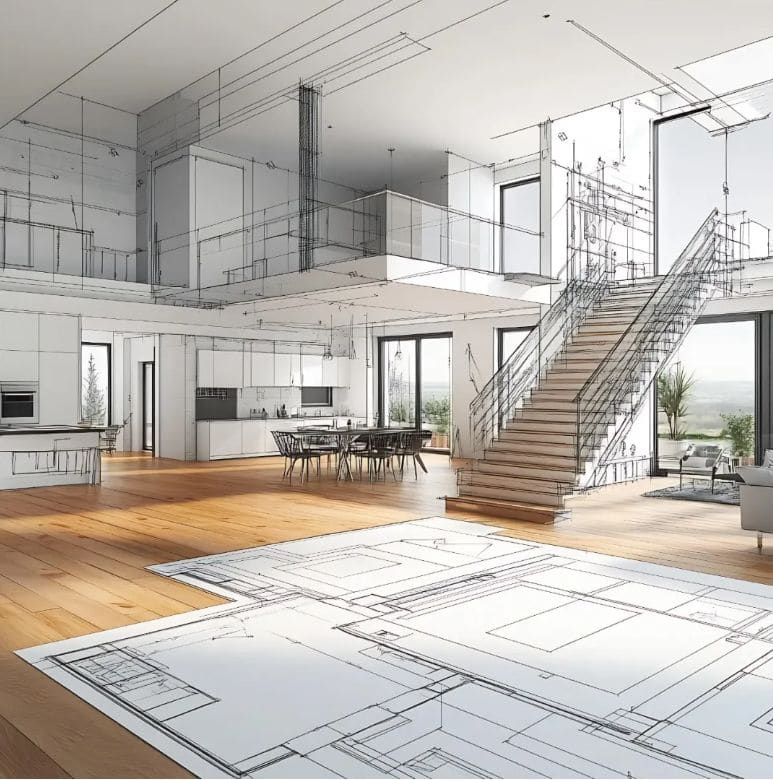
Architecture establishes the foundation of a space. Elements such as ceiling heights, window placements, structural columns, room proportions, and circulation patterns directly impact interior design decisions. Rather than working independently, interior designers build upon the architect's vision to create cohesive environments that enhance both form and function.
When architectural and interior design principles are aligned, the result is a harmonious space that feels intentional, balanced, and comfortable.
1. Architectural Style Shapes Interior Aesthetics
The architectural character of a building often guides the choice of materials, furnishings, colour palettes, and decorative elements.
So for example, a Modern architectural building inspires minimalist interiors with clean lines, neutral tones, and uncluttered layouts, an Industrial design building influences elements such as exposed brick, steel beams, and open-plan spaces that become defining interior elements and Mediterranean homes often incorporate natural textures, warm colours, and handcrafted features that reflect the building's architectural roots.
2.Structural Elements Become Design Features
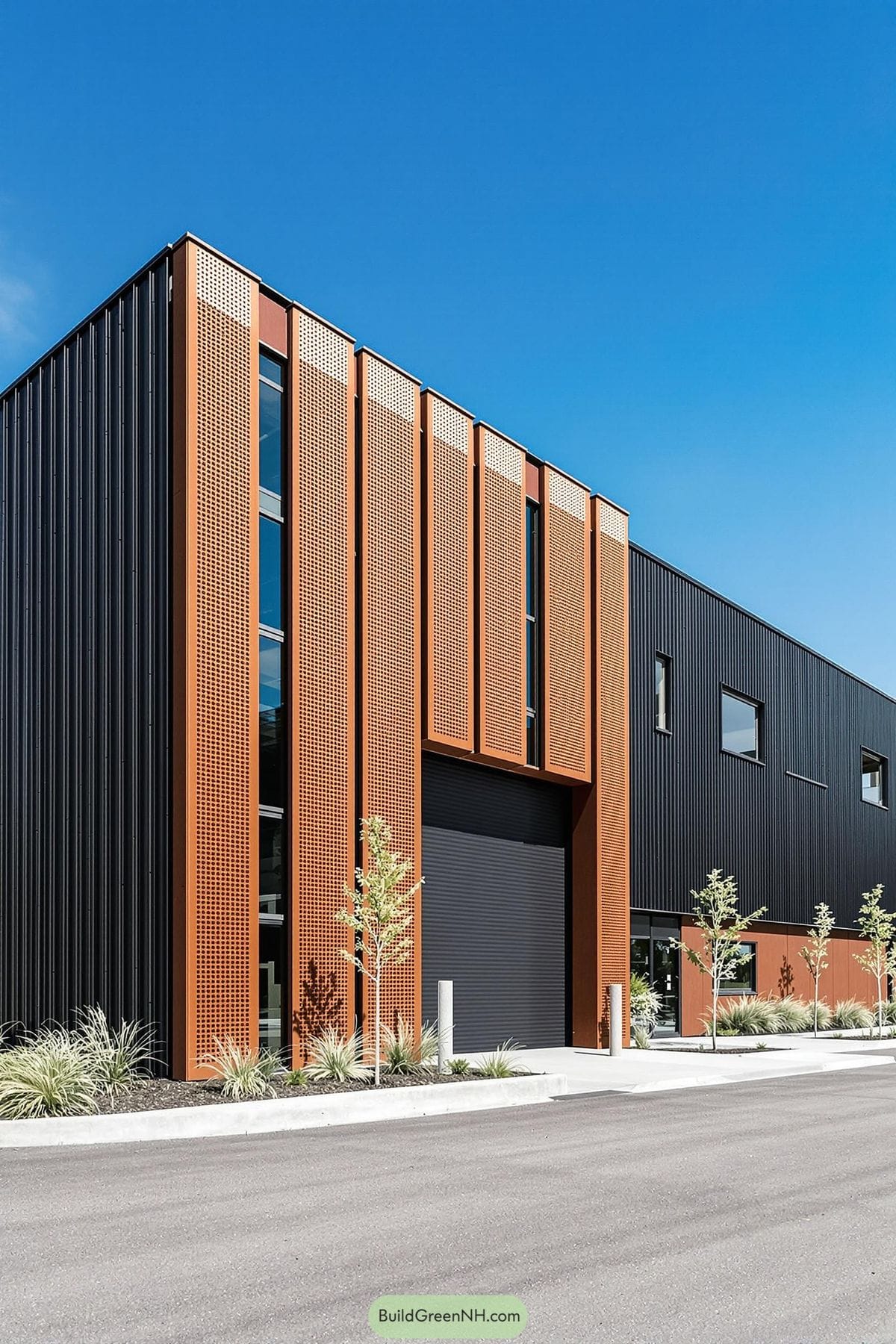
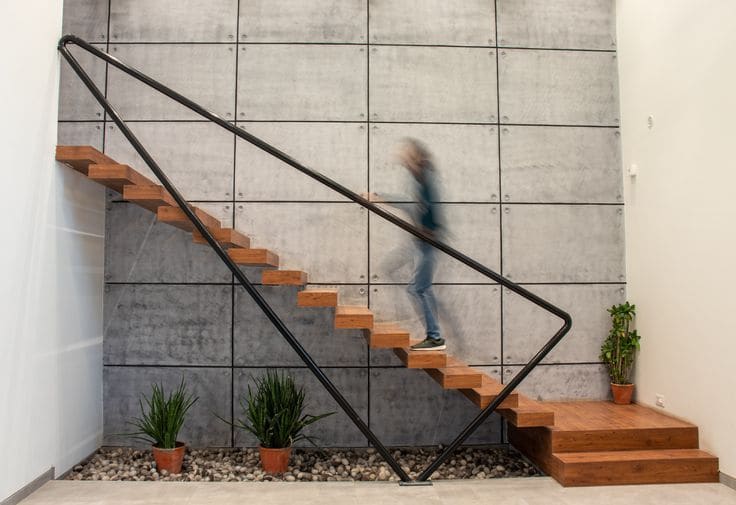
Many architectural components serve both structural and aesthetic purposes. Elements such as exposed beams, vaulted ceilings, arches, columns, and staircases often become focal points within interior spaces.
Rather than concealing these features, designers frequently celebrate them by integrating them into the overall design concept. An exposed timber beam, for instance, can add warmth and character, while a dramatic staircase can become a statement piece that enhances the interior's visual appeal.
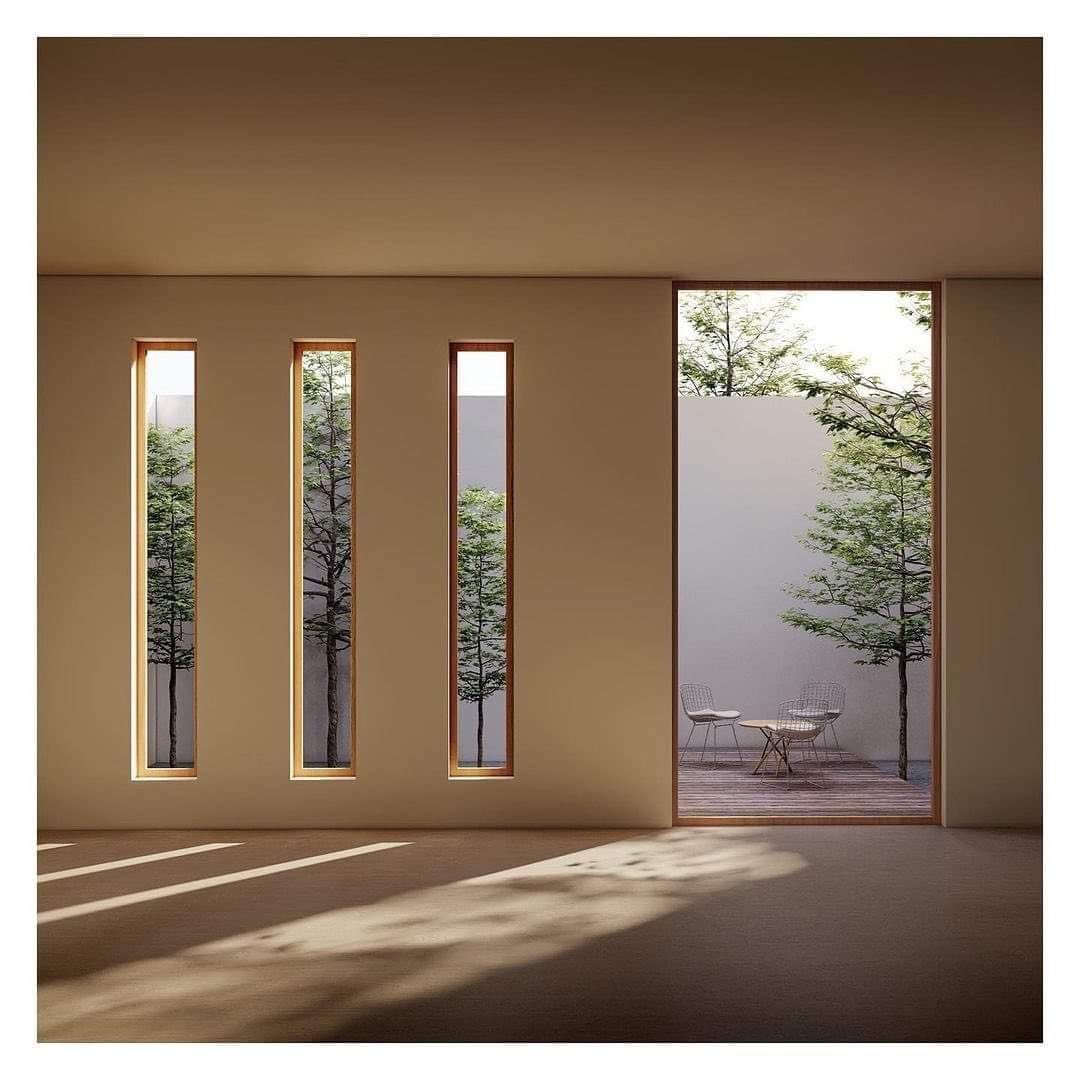
3.Natural Light Influences Interior Atmosphere
The placement and size of windows are determined by architecture, yet their impact extends far into interior design. Natural light affects colour perception, mood, productivity, and overall comfort.
Architectural planning that prioritises daylight allows interior designers to maximise visual comfort, reduce reliance on artificial lighting, and create healthier indoor environments.
4.Space Planning Begins with Architecture
Effective interior design relies heavily on the spatial framework established by architecture. Room dimensions, ceiling heights, structural walls, and circulation routes determine how furniture and functional zones can be arranged.
Open-plan architectural layouts often support flexible living and collaborative workspaces, while compartmentalised structures may require more specialised design strategies to improve flow and usability.
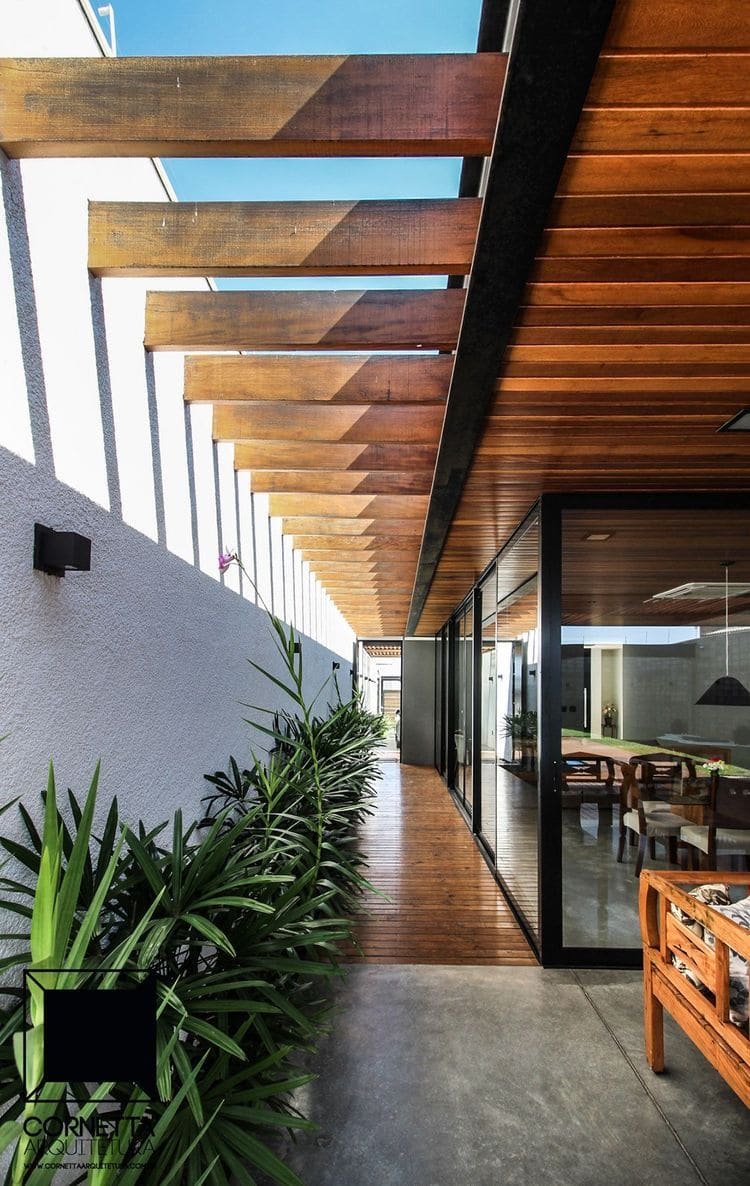
5.Material Selection Reflects Architectural Intent
Architectural materials often influence interior material choices to ensure consistency throughout the building. Stone façades, timber frameworks, concrete surfaces, and metal accents can inspire complementary interior finishes.
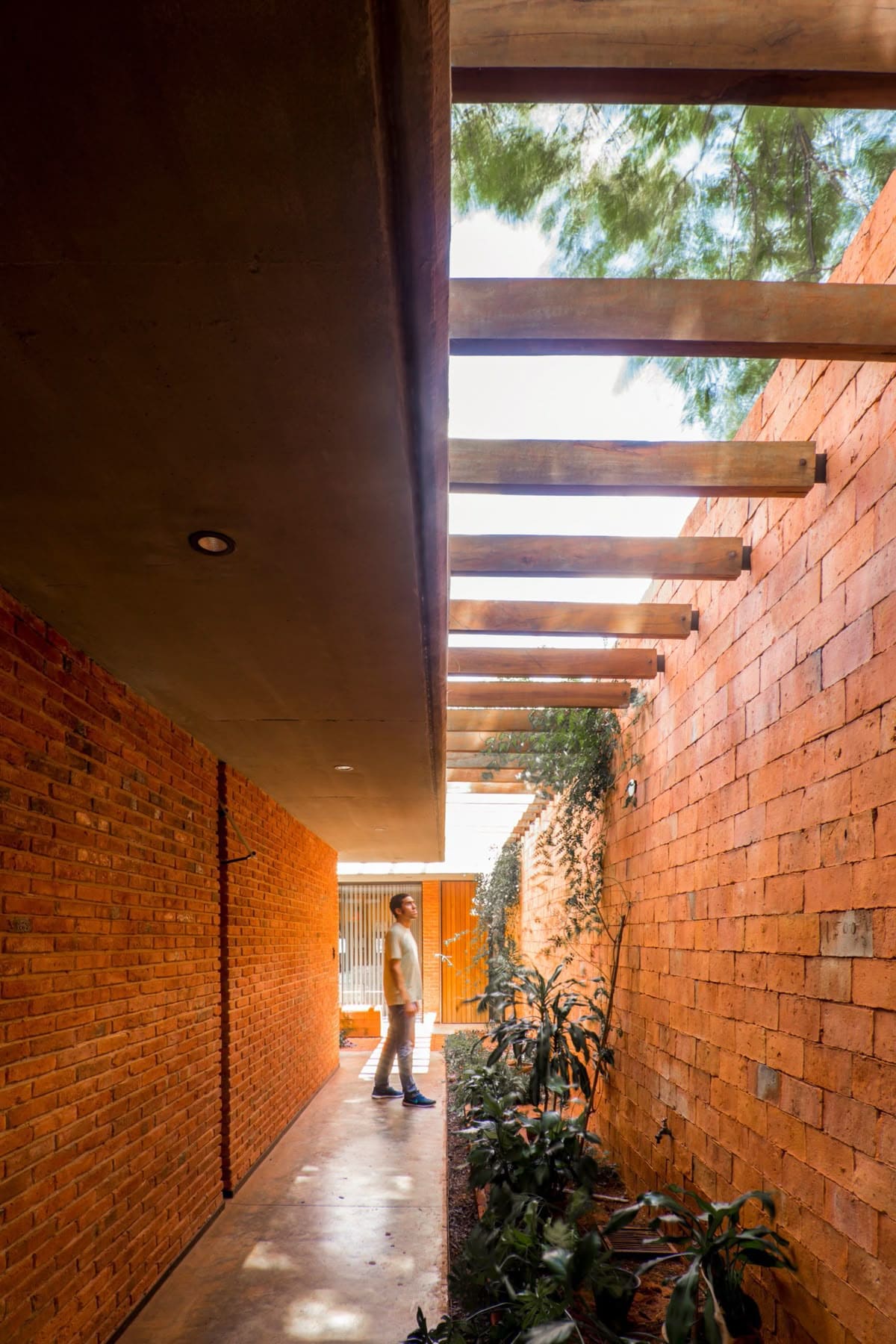
6. Architectural Design Affects Human Experience
Beyond aesthetics, architecture shapes how people interact with and feel within a space. Factors such as spatial proportions, acoustics, ventilation, and connectivity influence comfort and wellbeing.
Interior designers work within these architectural parameters to enhance user experience. High ceilings can create a sense of openness and luxury, while carefully designed intimate spaces can promote relaxation and privacy.
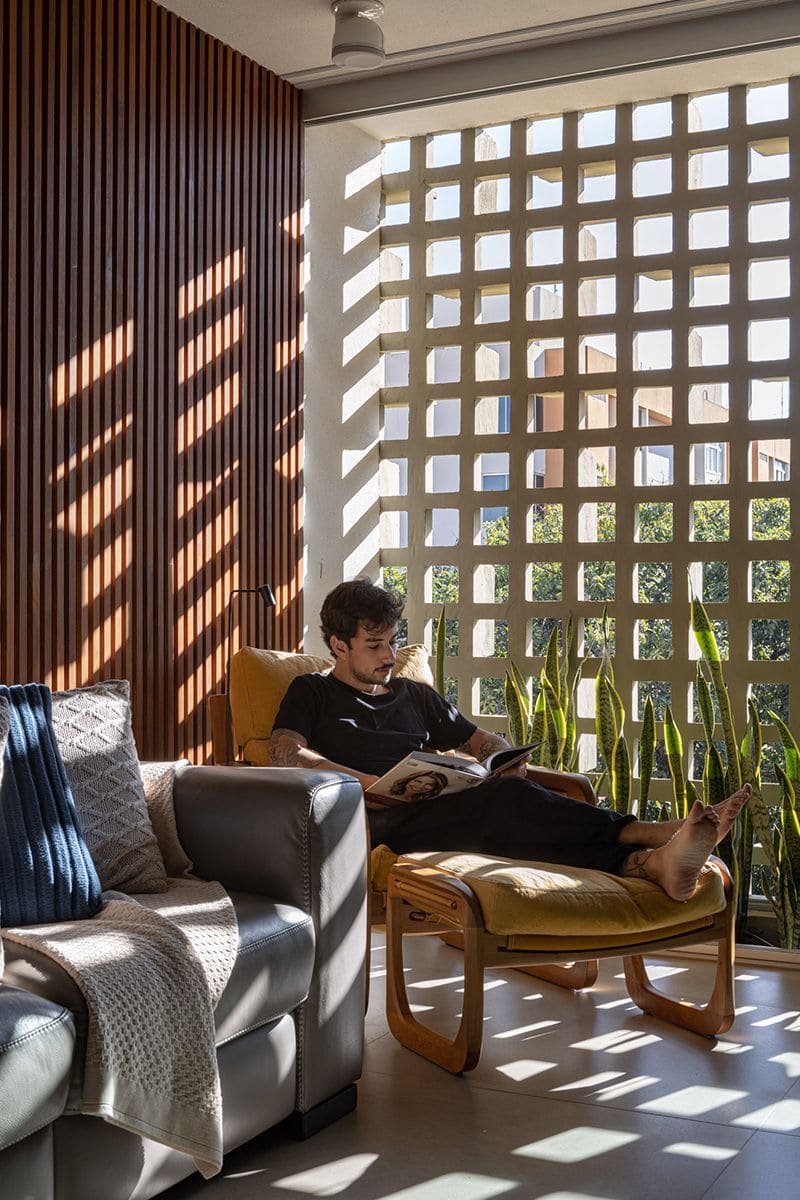
Architecture serves as the foundation upon which every interior design project is built. From defining spatial layouts and influencing material choices to shaping atmosphere and user experience, architectural decisions have a lasting impact on interior environments.
The most successful spaces are those where architecture and interior design work in harmony, creating seamless environments that balance aesthetics, functionality, and comfort